
What Can You See in Pond Water Under a Microscope?
Mar 6th 2026
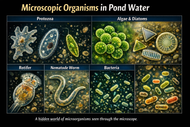
If you scoop a small jar of pond water and place a drop under a microscope, you are opening a window into an entire hidden ecosystem. What looks like plain water to the naked eye is actually filled with tiny living organisms, plant fragments, and microscopic predators.
Scientists call these organisms microorganisms, and many of them are fascinating to watch because they move, hunt, and interact with each other in real time.
In this guide, we’ll explore the most common things you can see in pond water under a microscope and how to find them.
Why Pond Water Is Full of Microscopic Life
Ponds are ideal environments for microscopic organisms because they contain:
- Nutrients from decaying plants
- Sunlight for algae growth
- Oxygen in the water
- Plenty of bacteria for microorganisms to eat
This combination creates a rich micro-ecosystem where thousands of tiny organisms can live in just a single drop of water.
1. Protozoa (Single-Celled Animals)
 One of the most exciting things you will see under a microscope is protozoa . These single-celled organisms move actively and often hunt bacteria or algae.
Common protozoa include:
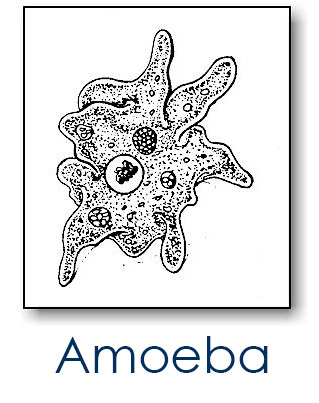
Amoeba
Amoebas constantly change shape and move using extensions called pseudopods. They look like slowly shifting blobs and capture food by surrounding it.
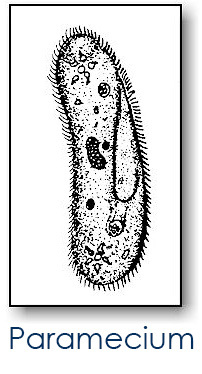 Paramecium
Paramecia are oval-shaped and move quickly using tiny hair-like structures called cilia. Under the microscope they often look like tiny swimming slippers.
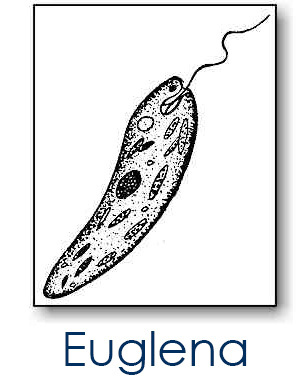 Euglena
Euglena are unique because they can both photosynthesize like plants and move like animals using a flagellum.
2. Algae
Algae are microscopic plant-like organisms that perform photosynthesis.
Common types include:
Green algae – Often appear as small green spheres or chains of cells
Diatoms – Beautiful algae with glass-like shells made of silica
Filamentous algae – Long strands of connected cells
Diatoms are especially fascinating because their shells have intricate geometric patterns .
3. Rotifers
Rotifers are tiny multicellular animals that are surprisingly complex for their size.
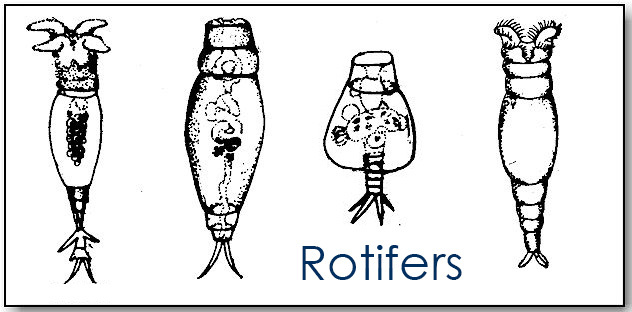
Under a microscope you can see:
- A rotating crown of cilia that pulls food toward their mouth
- Internal organs
- A digestive system
Their spinning mouthparts make them look like tiny underwater vacuum cleaners .
4. Tiny Worms and Larvae
Pond samples often contain small worm-like creatures such as:
- Nematodes
- Flatworms
- Insect larvae
These organisms move by wriggling or gliding across the slide.
5. Bacteria
Bacteria are the smallest organisms commonly found in pond water. They usually appear as tiny dots or rods.
While they are harder to observe in detail with basic microscopes, they play a crucial role because they break down organic material and feed other microorganisms .
What Magnification Do You Need?
Most pond microorganisms can be seen with a standard compound microscope.
Typical magnifications:
- 40x – Large organisms like rotifers
- 100x – Protozoa and algae
- 400x – Smaller microorganisms and bacteria
Many hobbyists and students explore pond water using microscopes in the 100x–400x range.
How to Collect a Good Pond Water Sample
To see the most organisms, try these tips:
- Collect water near plants or algae
- Scoop some sediment from the bottom
- Use a dropper to place a small drop on a slide
- Add a cover slip gently
The edges of plant debris are often where the most microorganisms gather.
Why Looking at Pond Water Is So Fascinating
Studying pond water under a microscope is like discovering a miniature wildlife documentary. In just one drop you might see:
- Predators chasing prey
- Algae forming geometric shapes
- Organisms spinning, gliding, and hunting
For students, hobbyists, and scientists alike, pond water offers one of the easiest ways to observe a living microscopic ecosystem.
What We Learned from One Drop of Pond Water
A drop of pond water is far from empty. It contains an entire world of microscopic life including protozoa, algae, rotifers, bacteria, and tiny worms .
With even a basic microscope, you can observe this hidden ecosystem and watch microorganisms moving and interacting in real time.
Next time you walk by a pond, remember that beneath the surface lies a universe of life invisible to the naked eye.


