
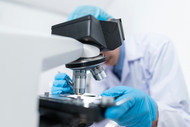
How to Build a Modern Microscopy Lab
Jan 29th 2026
A modern microscopy lab requires optical microscopes, digital imaging systems, sample preparation tools, imaging software, and proper lab infrastructure. Universities should prioritize scalability, vendor support, and digital workflows when selecting equipment.
An Equipment Checklist for Universities and Research Institutions
Building a modern microscopy lab is a strategic investment for universities, research institutions, and academic medical centers. Whether you are upgrading an existing facility or planning a new lab from the ground up, choosing the right microscopy equipment directly impacts research quality, grant competitiveness, and long-term operational efficiency.
This guide outlines a practical microscopy lab equipment checklist , explains how to select the right systems, and highlights key considerations for academic and research environments.
What Is a Modern Microscopy Lab?
A modern microscopy lab is designed to support high-resolution imaging, digital workflows, collaboration, and scalability. These labs typically serve:
- University research departments
- Life sciences and biomedical programs
- Materials science and engineering labs
- Core research facilities
- Teaching and training environments
Modern labs prioritize image quality, workflow efficiency, data management, and future expansion .
Core Microscopy Equipment Checklist
1. Optical Microscopes
Most microscopy labs begin with a mix of optical systems to support diverse applications.
Essential systems include:
- Compound light microscopes for biological research
- Stereo microscopes for dissection and sample prep
- Phase contrast microscopes for live cell imaging
- Fluorescence microscopes for molecular and cellular studies
Key buying considerations:
- Optical resolution and contrast capabilities
- Modular upgrades for future techniques
- Ergonomic design for long research sessions
2. Digital Imaging and Camera Systems
Digital microscopy is no longer optional. High-quality cameras improve data accuracy and support collaboration.
Recommended features:
- High-resolution scientific cameras
- Real-time image capture and recording
- Compatibility with lab imaging software
- Support for teaching and remote viewing
Digital imaging also supports grant reporting, publications, and collaborative research .
3. Advanced Microscopy Systems
For institutions conducting specialized research, advanced systems are often required.
Common advanced systems include:
- Confocal microscopy for 3D imaging
- Electron microscopy for ultrastructural analysis
- Super-resolution microscopy for nanoscale research
- Automated slide scanning systems
These systems typically represent high-value capital investments and require long-term planning.
4. Sample Preparation Equipment
Accurate microscopy begins with proper sample preparation.
Essential tools include:
- Microtomes and cryostats
- Centrifuges
- Staining systems
- Fume hoods and biosafety cabinets
Institutions should ensure compliance with lab safety standards and institutional protocols .
5. Imaging Software and Data Management
Modern microscopy generates large datasets that require robust management.
Software capabilities to prioritize:
- Image analysis and quantification
- Secure data storage and sharing
- Compatibility with institutional IT systems
- Support for AI-assisted image interpretation
Centralized digital platforms improve workflow efficiency and research reproducibility .
6. Lab Infrastructure and Environmental Controls
Microscopy performance depends on a stable environment.
Key infrastructure considerations:
- Vibration-controlled lab spaces
- Temperature and humidity regulation
- Clean power supply
- Proper lighting and bench design
Planning these elements early prevents costly retrofits later.
How to Choose the Right Microscopy Equipment
When selecting equipment, universities and research institutions should evaluate:
- Research focus and anticipated applications
- User skill level, including students and faculty
- Budget and grant funding timelines
- Vendor support, training, and service agreements
- Upgrade paths and scalability
Choosing systems that grow with your institution protects long-term value.
Budgeting and Procurement Considerations
Microscopy lab investments often involve multiple stakeholders.
Best practices include:
- Coordinating with grants and procurement teams
- Bundling equipment purchases for cost efficiency
- Evaluating leasing or service contract options
- Planning for ongoing maintenance and calibration
Institutions with multiple campuses or regional facilities may benefit from standardized equipment platforms.
Geographic and Institutional Considerations
Microscopy lab requirements can vary by location.
- North American universities often prioritize compliance with NIH and NSF standards
- European institutions may require CE-certified equipment
- Urban research centers may focus on space efficiency
- Regional teaching universities may prioritize versatility for instruction
Working with vendors experienced in local regulations, logistics, and installation requirements can streamline deployment.
Frequently Asked Questions
What equipment is needed for a microscopy lab?
A microscopy lab typically requires optical microscopes, digital imaging systems, sample preparation tools, imaging software, and environmental controls.
How much does it cost to build a microscopy lab?
Costs vary widely depending on equipment complexity, ranging from entry-level teaching labs to advanced research facilities with specialized systems.
What is the most important factor when choosing microscopy equipment?
Image quality, system reliability, vendor support, and scalability are the most critical factors.
Can microscopy labs be used for both teaching and research?
Yes. Many institutions design hybrid labs that support undergraduate instruction and advanced research.
What Universities Should Consider Before Investing
Building a modern microscopy lab requires thoughtful planning, strategic equipment selection, and long-term vision. Universities and research institutions that invest in scalable, digitally integrated microscopy solutions position themselves for stronger research output, improved collaboration, and greater funding success .
If you are planning a new microscopy lab or upgrading an existing facility, working with experienced microscopy equipment providers can help ensure your lab is built for today’s needs and tomorrow’s discoveries.


